%2Ffit-in%2F250x250%2Fguide_websites%2F20672%2Fimages%2F1737540268556image-2025-01-22t180421.299.png&w=1920&q=100)
/users/0131f162-b205-42e6-8328-fb3694f47377/ratecard/image-2025-01-22t174833.011.png)
%2F300x300%2Fusers%2F0131f162-b205-42e6-8328-fb3694f47377%2Fratecard%2Fimage-2025-01-22t174833.011.png&w=256&q=75)
%2F300x300%2Fusers%2F0131f162-b205-42e6-8328-fb3694f47377%2Fimages%2Ffishing-haul-jensen-beach-2850.jpg&w=256&q=75)
%2F300x300%2Fusers%2F0131f162-b205-42e6-8328-fb3694f47377%2Fimages%2Ffishing-adventure-florida-2735.jpg&w=256&q=75)
%2F300x300%2Fusers%2F0131f162-b205-42e6-8328-fb3694f47377%2Fimages%2Ffishing-florida-2687.jpg&w=256&q=75)
%2F300x300%2Fusers%2F0131f162-b205-42e6-8328-fb3694f47377%2Fimages%2Fblackfin-tuna-florida-fishing-2773.jpg&w=256&q=75)
%2F300x300%2Fusers%2F0131f162-b205-42e6-8328-fb3694f47377%2Fimages%2Fblackfin-tuna-florida-catch-2712.jpg&w=256&q=75)
%2F300x300%2Fusers%2F0131f162-b205-42e6-8328-fb3694f47377%2Fimages%2Ftrio-blackfin-tuna-cobia-jensen-2764.jpg&w=256&q=75)
%2F300x300%2Fusers%2F0131f162-b205-42e6-8328-fb3694f47377%2Fimages%2Fbest-great-fishing-jensen-beach-2779.jpg&w=256&q=75)
%2F300x300%2Fusers%2F0131f162-b205-42e6-8328-fb3694f47377%2Fimages%2Fblackfin-tuna-jensen-beach-2724.jpg&w=256&q=75)
%2F300x300%2Fusers%2F0131f162-b205-42e6-8328-fb3694f47377%2Fimages%2Fblackfin-tuna-jensen-beach-2708.jpg&w=256&q=75)
%2F300x300%2Fusers%2F0131f162-b205-42e6-8328-fb3694f47377%2Fimages%2Fbest-great-blackfin-tuna-florida-2777.jpg&w=256&q=75)
Premium 8-Hour Offshore Fishing Adventure

 Jensen Beach, FL
What you will be catching:
 Atlantic Sailfish
 Cobia
Cobia King Mackerel
 Mahi Mahi or Common Dolphinfish
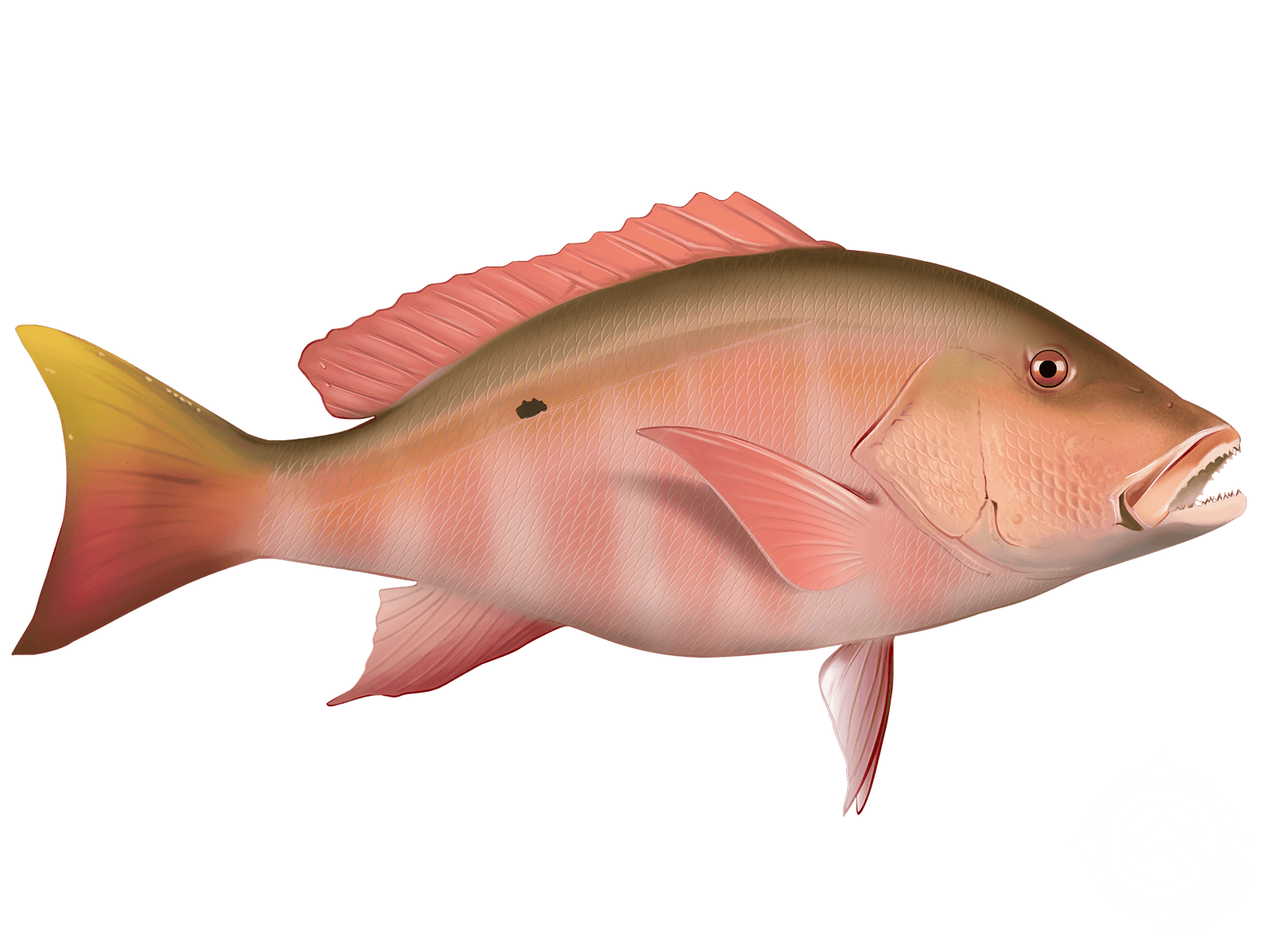
 Mutton Snapper
- 8-hour offshore Atlantic fishing targeting mahi-mahi, sailfish, grouper, and snapper
- Maximum 4 guests receive personalized attention with all gear and expertise provided
- Multiple fishing techniques at wrecks and reefs 20+ miles from Jensen Beach
Trip Pricing and Availabilities:
Private 8 Hour Offshore Fishing in Jensen Beach
When you're ready to get serious about offshore fishing, Jensen Beach delivers some of Florida's most productive waters. This 8-hour charter with Grocery Cart Fishing Charters puts you right in the action, targeting everything from sailfish to mahi while exploring the area's legendary wrecks and reefs. Captain Dennis knows these waters like the back of his hand, and with room for up to 4 anglers, you'll get the personalized attention that makes all the difference between a good day and an epic one. Whether you're chasing your first sailfish or looking to add some variety to your cooler, this trip covers all the bases with deep drops, trolling runs, and plenty of time to work the structure that holds Jensen Beach's best fish.
What to Expect on the Water
Your day starts early, but that's when the magic happens offshore. We're talking about heading out to depths where the real players live – those blue water species that make your drag scream. The 8-hour format gives us serious flexibility to hit multiple spots and techniques. We'll start with some trolling to cover water and locate active fish, then shift gears to work specific structure when we mark good life on the sonar. The Gulf Stream influence here creates incredible opportunities, especially when the water temp is right and bait is thick. You'll be fishing from a well-equipped boat with everything needed to handle whatever we hook up with, from light tackle for the finicky eaters to heavy gear when we're dropping deep for grouper and snapper. The captain adjusts tactics throughout the day based on conditions and what the fish are telling us, so every trip feels different even if you've been out here before.
Techniques and Top Spots
Jensen Beach offshore fishing is all about reading the water and matching your approach to what's working. We'll run a spread of trolling lures to locate schools of mahi, kings, and hopefully sailfish cruising the edge. Once we find active fish, it's game on with live bait presentations and targeted casts. The wreck fishing here is world-class – these artificial reefs hold serious biomass and attract everything from cobia to monster mutton snapper. When we're deep dropping, we're talking about structure in 120-200 feet of water where the big boys live. The captain provides all tackle, from circle hooks and fluorocarbon leaders to the heavy jigs needed for bottom fishing. Live bait is key for many species, and we'll spend time catching goggle-eyes and pilchards to keep the bait wells stocked. The beauty of an 8-hour trip is having time to really work an area when fish are biting, rather than rushing to the next spot. Some days the action is non-stop trolling, other days we anchor up and work structure for hours.
Why Anglers Keep Coming Back
"Absolutely the best time!!! We booked Dennis due to his affordable price and tons of photos and reviews of other charters he has taken out. It did not disappoint. My Stepson and I were able to catch Tuna, Mahi, even a monster Sail Fish, and have a great time doing it. Dennis' knowledge and expertise in fishing was exactly what we wanted and what we got. Truly a great experience. We will be back!" - Russell
Species You'll Want to Hook
Atlantic Sailfish are the crown jewel of Jensen Beach offshore fishing, and for good reason. These spectacular fish average 6-8 feet and put on an aerial show that'll have you shaking with adrenaline. Peak season runs from December through April when they migrate down the coast, but we see them year-round in these waters. Sailfish are ambush predators that love to work bait schools along temperature breaks and current edges. When one lights up behind your bait with that distinctive dorsal fin cutting the surface, everything else stops mattering. They're catch and release fish, but getting that photo with a lit-up sail is a bucket list moment for any angler.
King Mackerel bring the speed and the teeth to every offshore trip. These silver bullets can hit 40+ pounds and will test your drag system when they make their signature runs. Kings are structure-oriented fish that patrol the wrecks and reefs, making them perfect targets during our bottom fishing segments. They're aggressive feeders that respond well to both trolled spoons and live bait presentations. The bite is typically best during the cooler months, but resident fish stick around all year. Kings are excellent table fare when bled and iced properly, making them a favorite for anglers looking to stock the freezer.
Mahi Mahi are pure excitement on light tackle, with their brilliant colors and acrobatic fights making them a customer favorite. These fish are nomadic, following floating debris and weed lines where they feed on small fish and crustaceans. Mahi school by size, so when you find one, there are usually more in the area. They average 10-30 pounds but can push 50+ for the real bulls. The beauty of mahi fishing is their willingness to eat – they'll crush trolled baits, live offerings, and even jigs worked around structure. Their firm white meat makes them one of the best eating fish in the ocean.
Cobia are the gentle giants of the reef, with their shark-like appearance and curious nature making every encounter memorable. These fish can reach 50+ pounds and are known for following rays and sharks looking for stirred-up prey. Cobia fishing requires patience and precision – they'll often follow a bait for long periods before deciding to eat. When they do commit, the fight is bulldogging power rather than speed. They're structure-oriented during cooler months but move to shallow water for spawning in spring and early summer. Cobia are outstanding table fare and make impressive photos with their distinctive brown coloration.
Mutton Snapper represent the premium bottom fishing opportunity around Jensen Beach's reef system. These fish are notoriously finicky, requiring light leaders and perfect bait
Customer Review
Epic Fishing Adventure

Russell Bresnahan
July 2, 2025
Learn more about the species
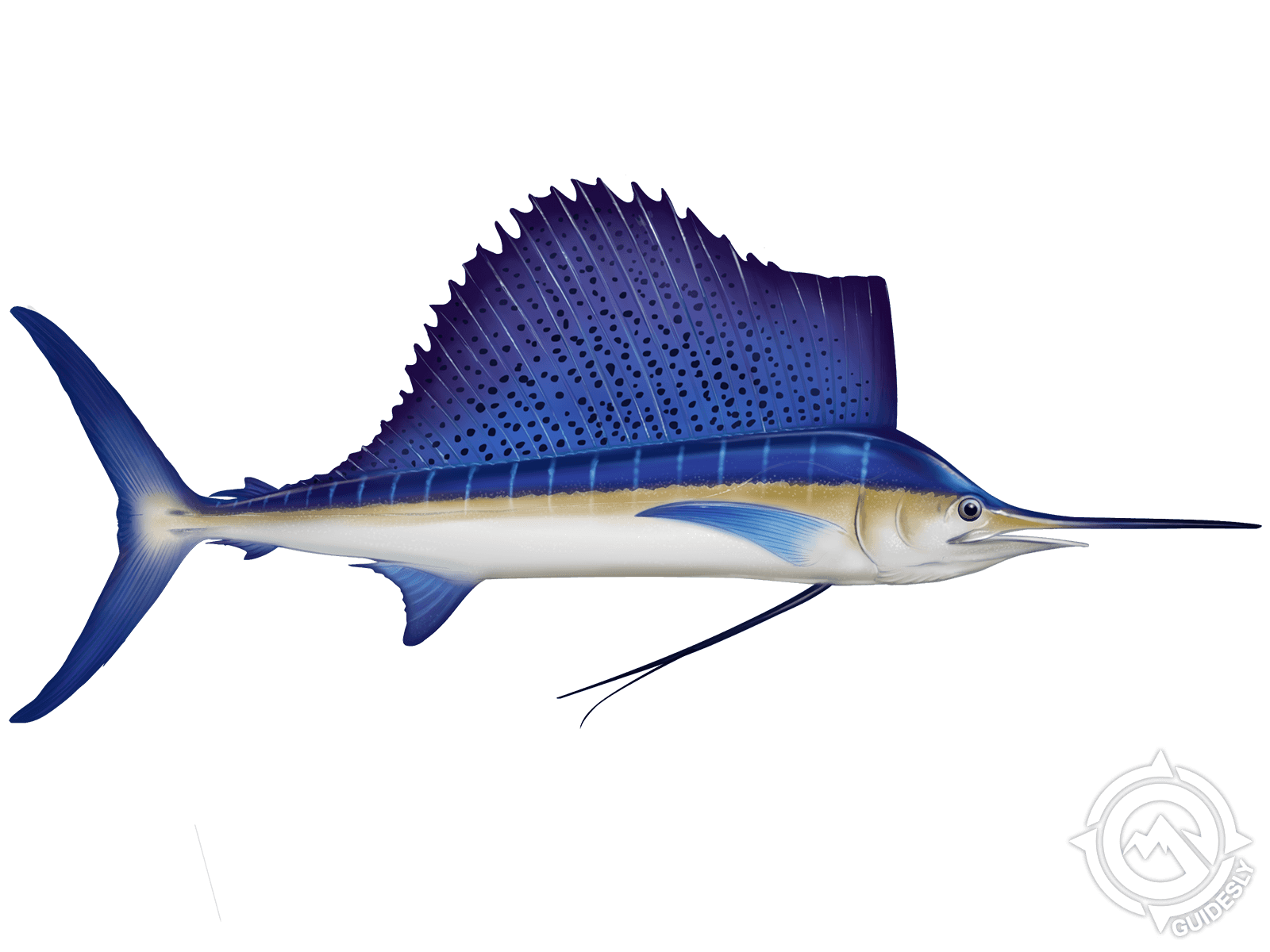
Atlantic Sailfish
Atlantic sailfish are the speed demons of our waters - they can hit 22-34 mph and put on quite a show with their acrobatic jumps. These beautiful fish average around 50 pounds and 7 feet long, with that iconic sail-like dorsal fin that makes them unmistakable. We find them in 30-65 feet of water, though they'll dive deeper when feeding. Winter months are prime time here in Florida - they follow the warm water and baitfish. What makes them so popular with my guests is the fight - they'll leap, dive, and run like nothing else out there. The colors are stunning too, changing from blue to black as they get excited. Here's a tip: when you see that sail come up, keep your bait moving naturally in the current and be ready for an explosive strike.
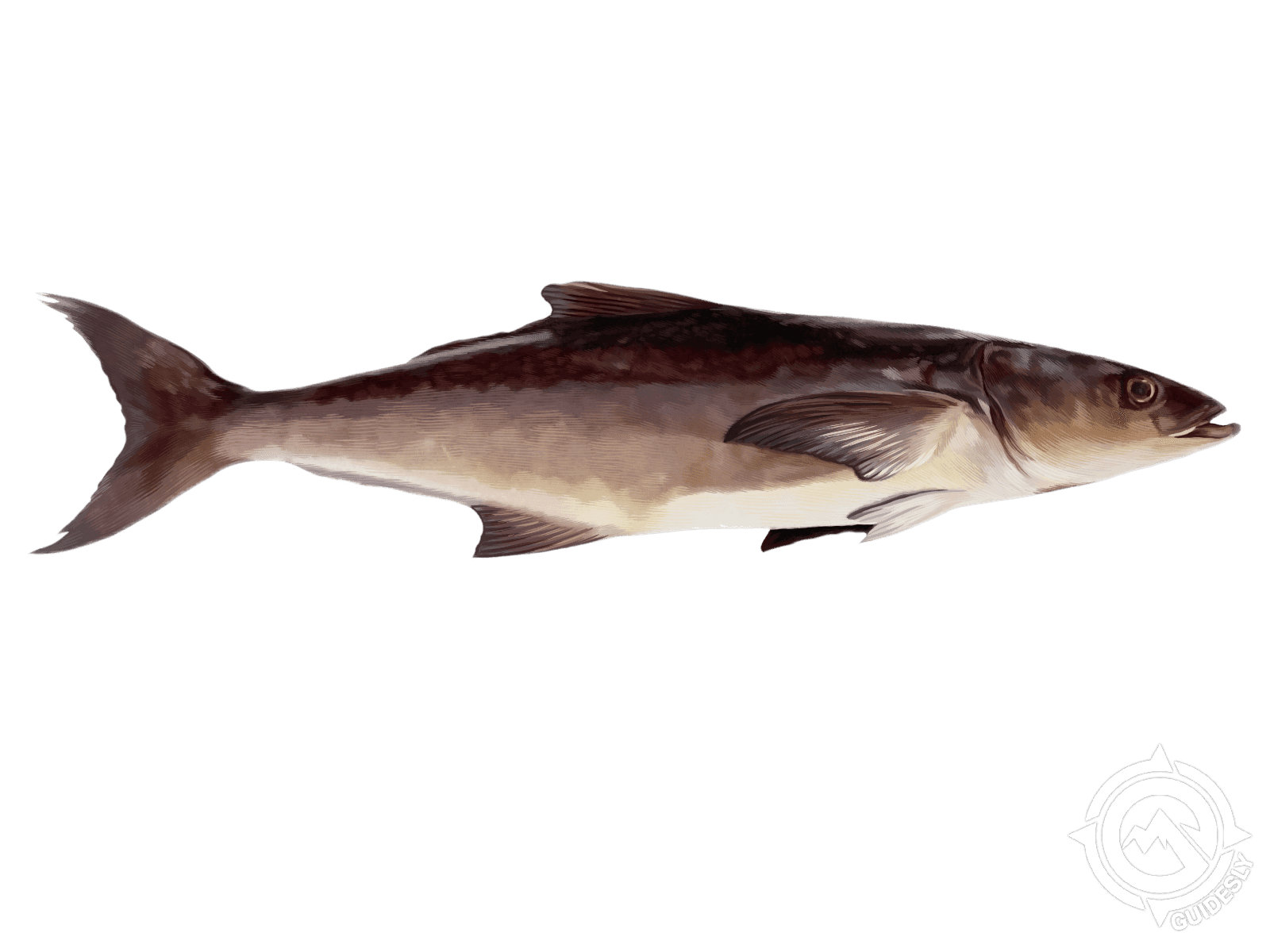
Cobia
Cobia are like the bulldogs of the ocean - dark brown, powerful, and built for a scrap. Most run 30-60 pounds, but we see plenty over 80 pounds. They're usually loners hanging around wrecks, reefs, and buoys in 30-70 feet of water, though they'll cruise deeper structure too. Spring and fall are best when they're migrating and feeding heavy. People love targeting them because they fight hard and straight down, plus they're top-shelf table fare with firm, white meat. You'll often spot them just under the surface looking like small sharks with that single dorsal fin. The trick is sight fishing - when you see one, drop a bucktail jig or live crab right in front of its nose. Color doesn't matter much, but 4-8 ounce jigs work best. Once hooked, they'll head straight for bottom structure, so keep steady pressure.
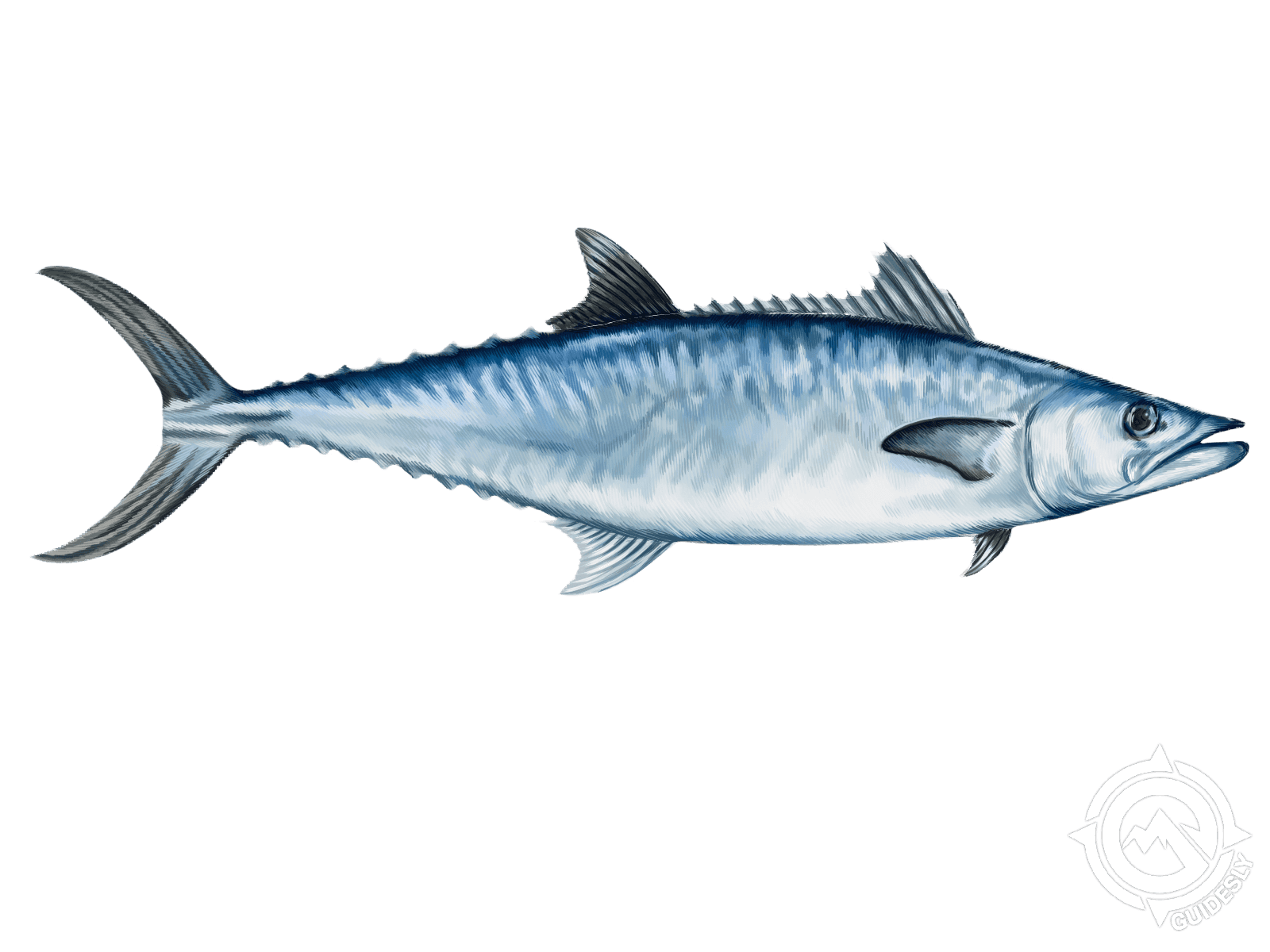
King Mackerel
Kings are some of the fastest fish we target out here, rivaling wahoo for pure speed. They typically run 20-40 pounds, but we see some monsters over 50. You'll find them in 40-150 feet of water around wrecks, reefs, and temperature breaks. Fall through spring is our best season - they migrate down from the Carolinas when water temps hit that 68-84 degree sweet spot. Guests love them because they make blistering runs and are fantastic eating with that rich, flaky meat. They've got razor-sharp teeth though, so wire leaders are a must. My go-to technique is slow-trolling live bait with a stinger hook - kings love to hit baitfish from behind, so that trailing treble hook saves a lot of cutoffs. When you hook one, hold on tight because they'll peel line like nobody's business.
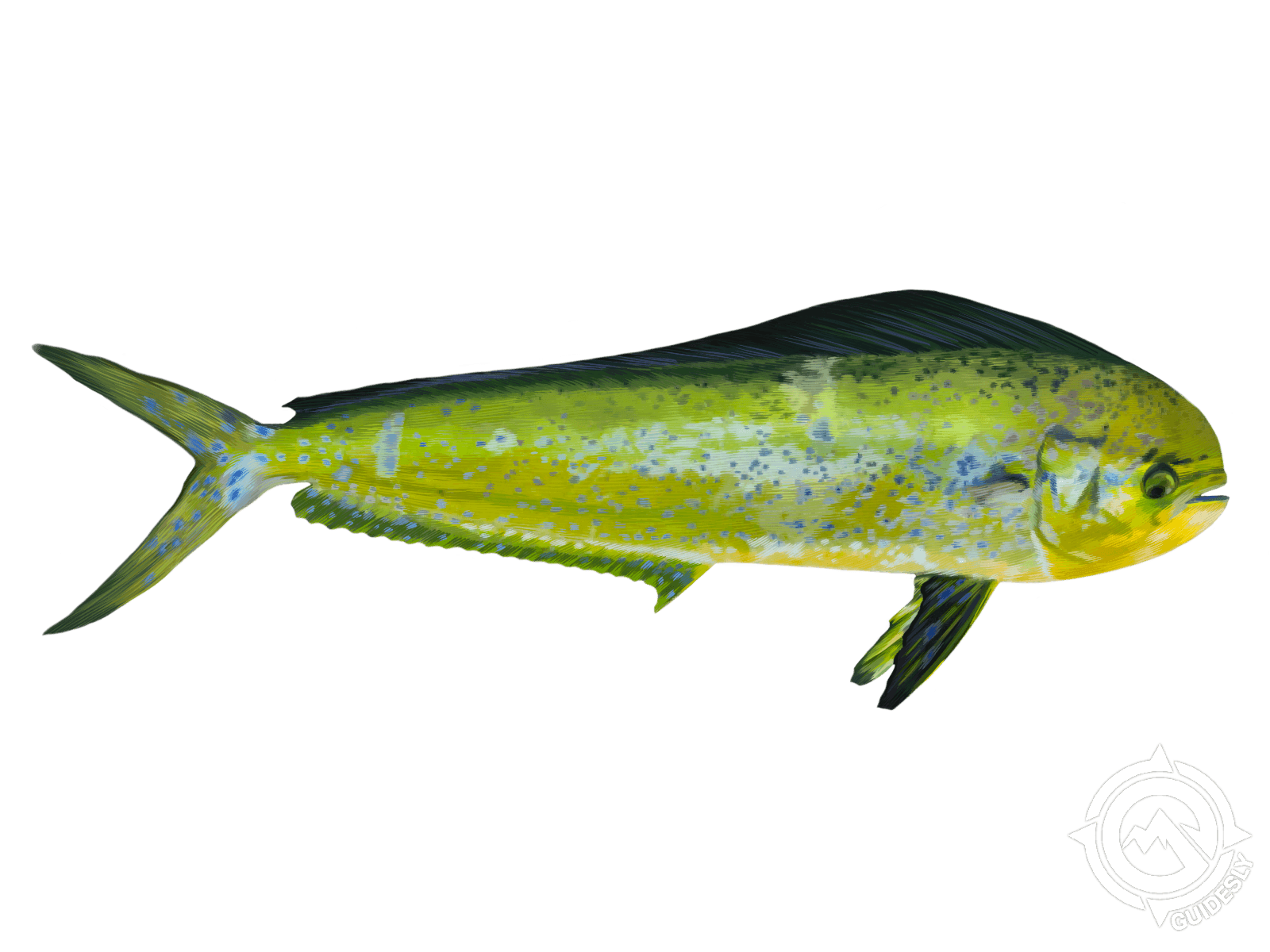
Mahi Mahi or Common Dolphinfish
Mahi are hands-down one of the most beautiful fish in the ocean - those golden sides with electric blue and green flashes are something else. They average 15-30 pounds but can push 40-50 on a good day. We find them around floating debris, weed lines, and current breaks, usually in the top 100 feet of water. Spring through fall is prime time when water temps warm up. What guests love most is watching their colors change like a light show when they're fighting, plus they're some of the best eating fish out there - firm, white, and sweet. They travel in schools, so where there's one, there's usually more. Here's the key: look for frigate birds working over floating debris or sargassum. Those birds will lead you right to them, and once you find a school, work it fast.
Mutton Snapper
Mutton snapper are the prize of our reef fishing - olive-colored with those distinctive blue streaks around the face and a small black spot on each side. They typically run 3-8 pounds, but the big ones can push 15-20 pounds and make your day. We find them around reefs, wrecks, and rocky bottom in 80-200 feet, though they'll come shallower in cooler months. Year-round fishing is good, but they really turn on during spawning season in summer. Guests love them because they're smart, strong fighters that make great table fare with sweet, flaky meat. They can be picky eaters though - fresh bait is crucial. My trick is using a knocker rig with light weight to let the bait drift naturally in the current. When you see that pink flash coming up through the water, you know you've got a good one.
About the Grocery Cart
%2F%2Fusers%2F0131f162-b205-42e6-8328-fb3694f47377%2Fvehicle_picture%2Fa689709f-6273-4472-87b3-c31f05f5055f.jpg&w=1920&q=75)
Vehicle Guest Capacity: 6
Manufacturer Name: Suzuki
Maximum Cruising Speed: 52
Number of Engines: 1
Horsepower per Engine: 350

Absolutely the best time!!! We booked Dennis due to his affordable price and tons of photos and reviews of other charters he has taken out. It did not disappoint. My Stepson and I were able to catch Tuna, Mahi, even a monster Sail Fish, and have a great time doing it. Dennis’ knowledge and expertise in fishing was exactly what we wanted and what we got. Truly a great experience. We will be back!